
 Тоҷикӣ
 English


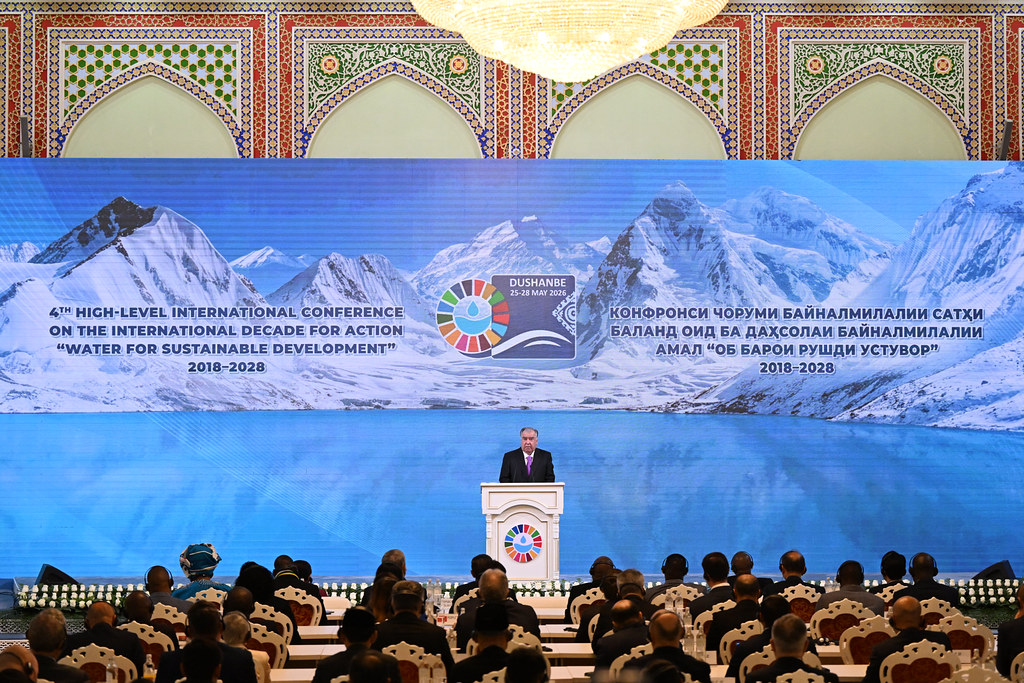
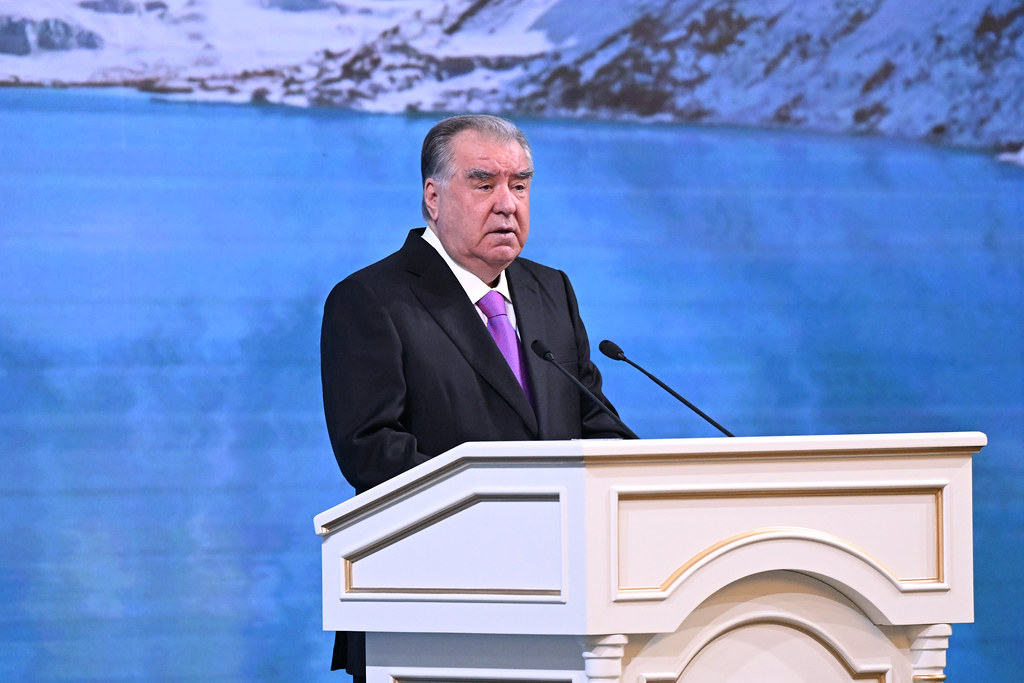
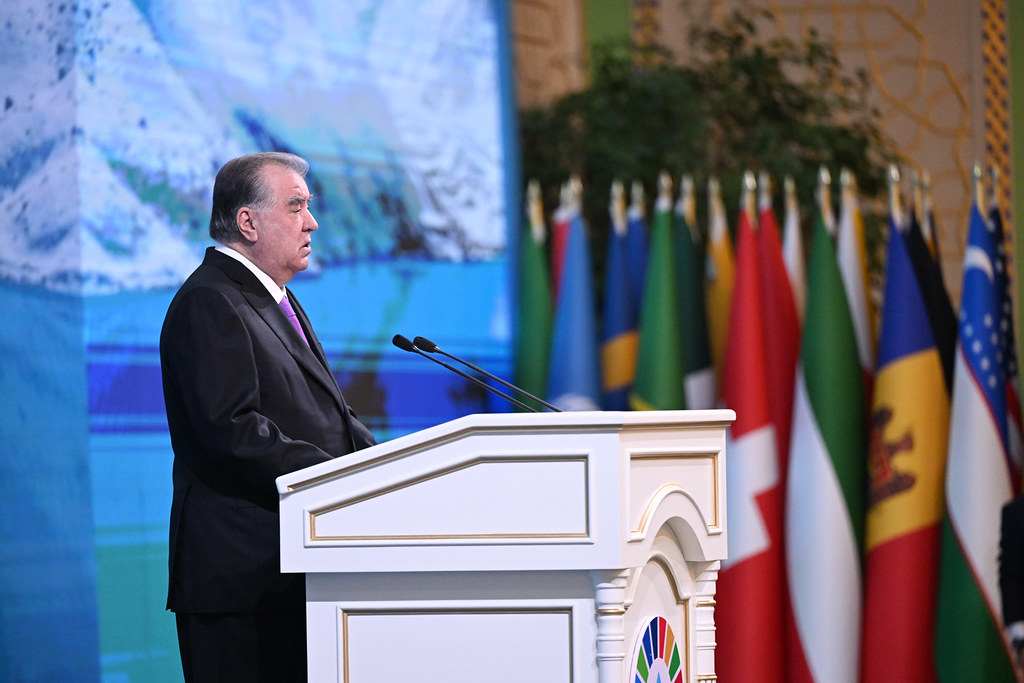
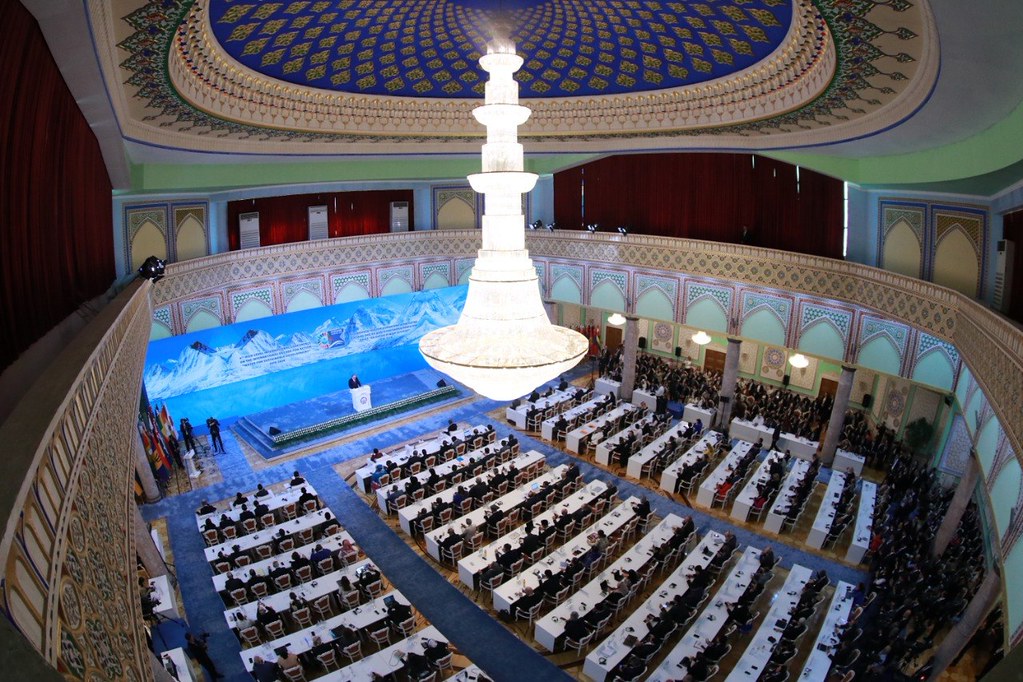
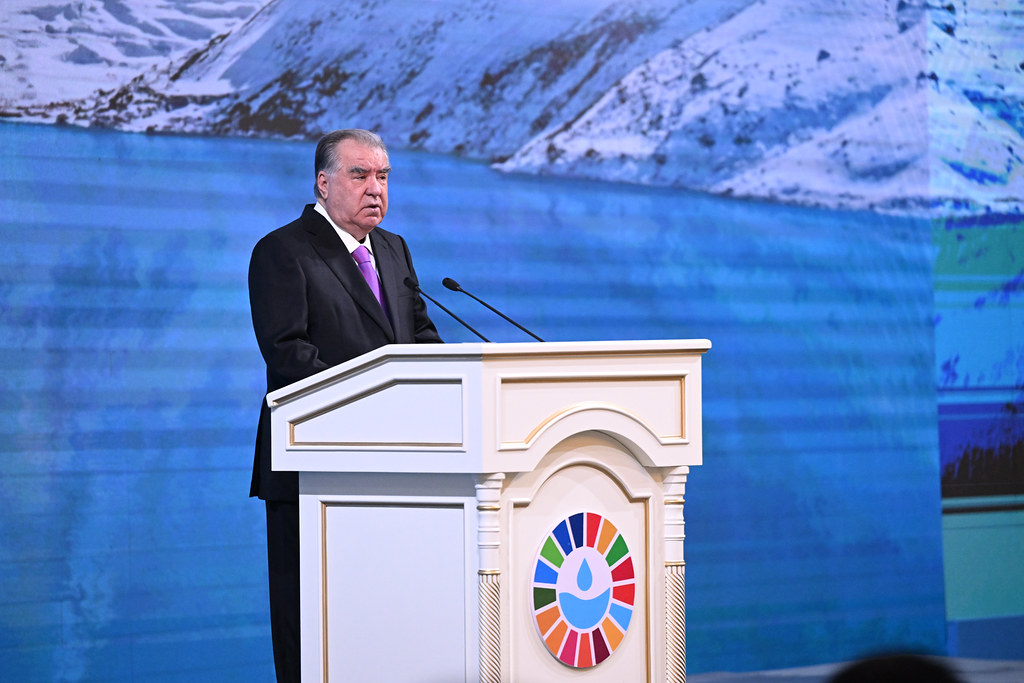
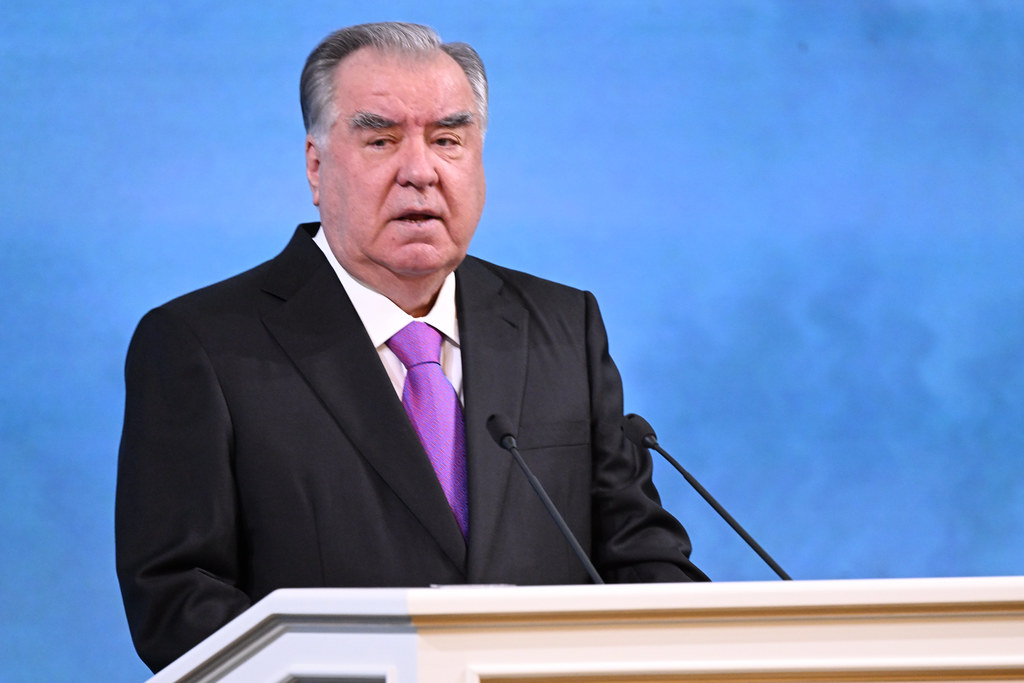
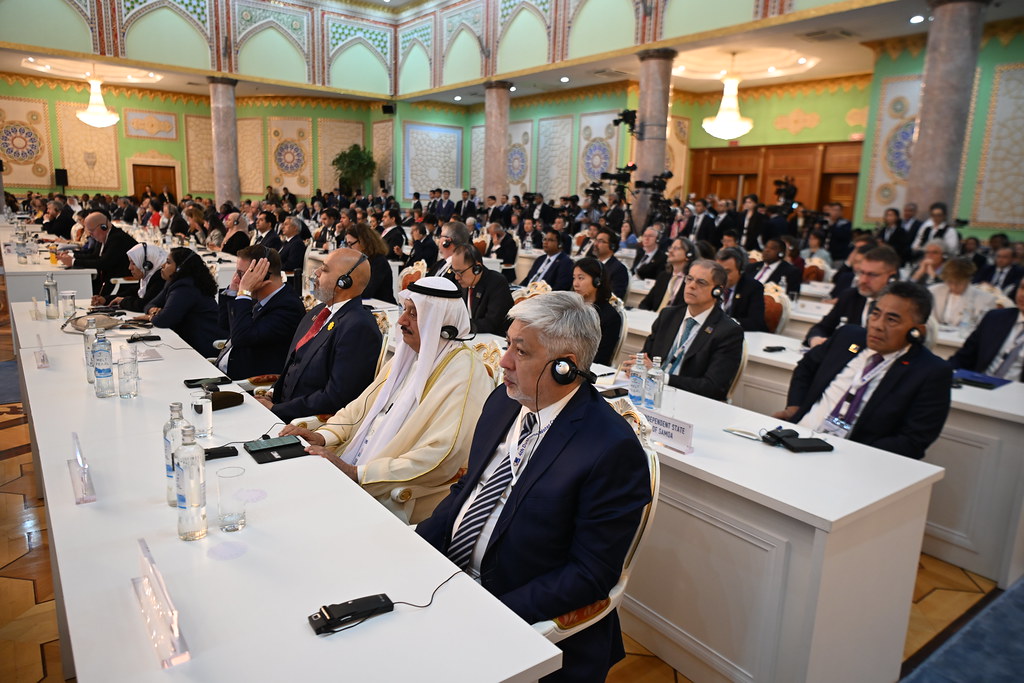
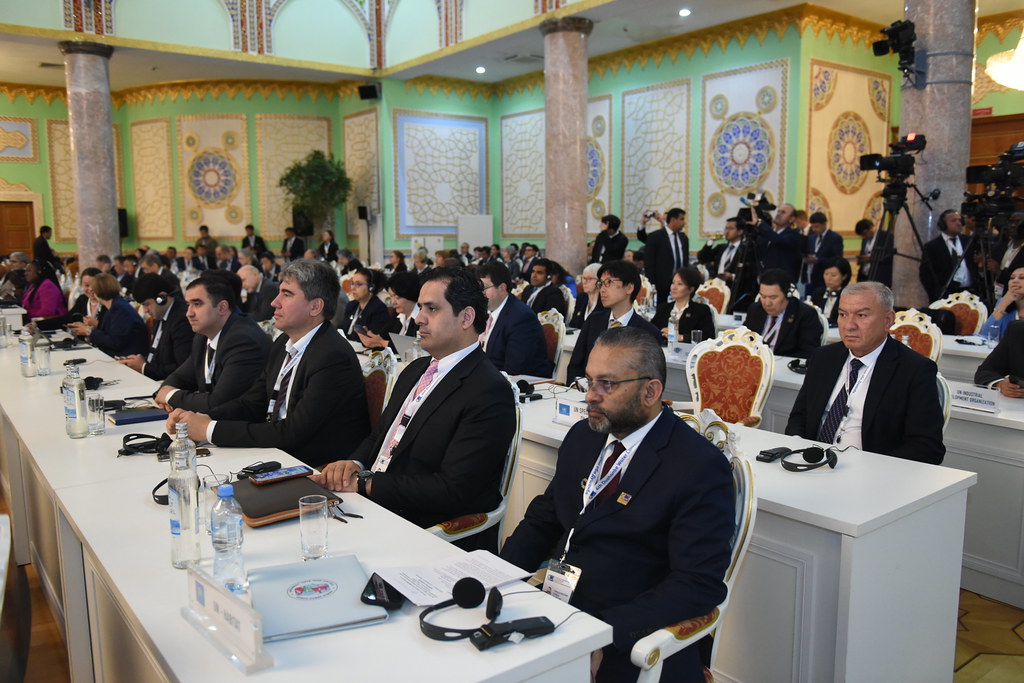
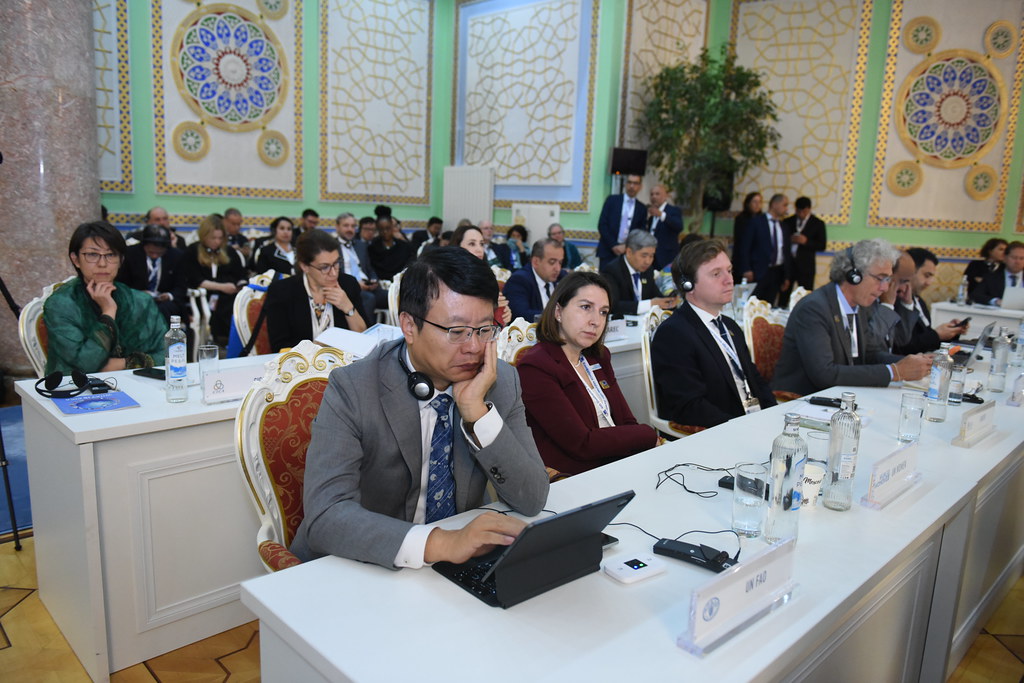
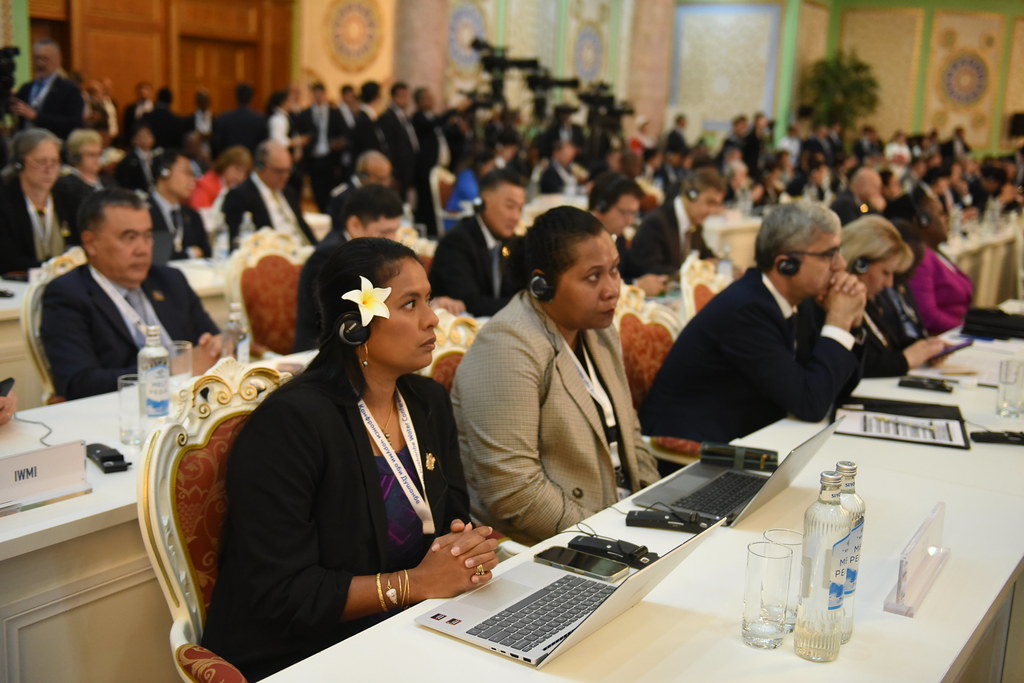
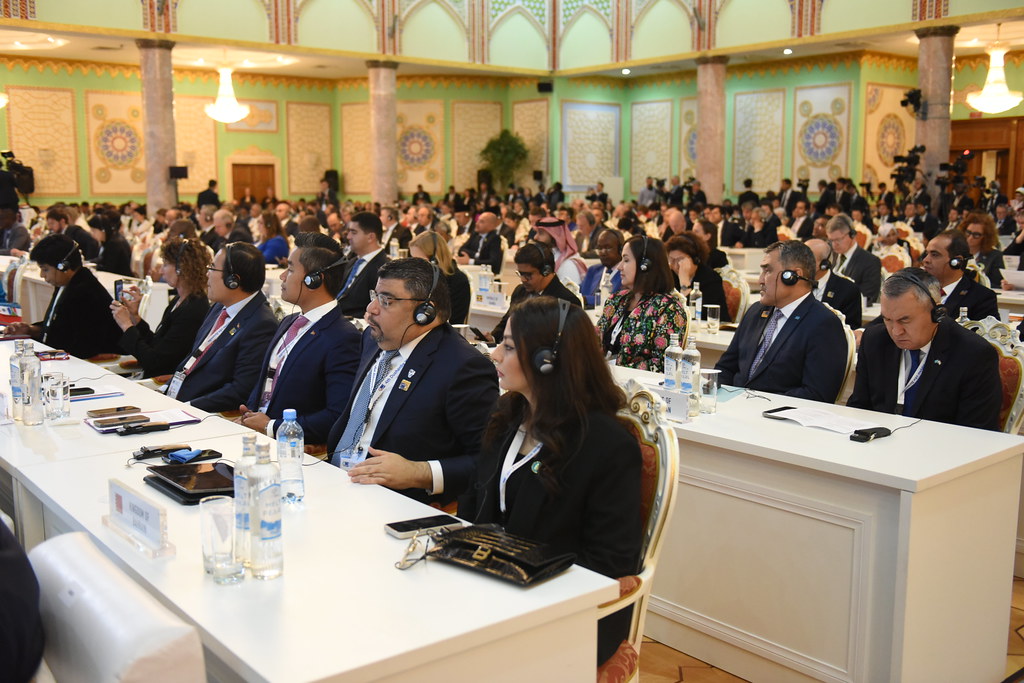
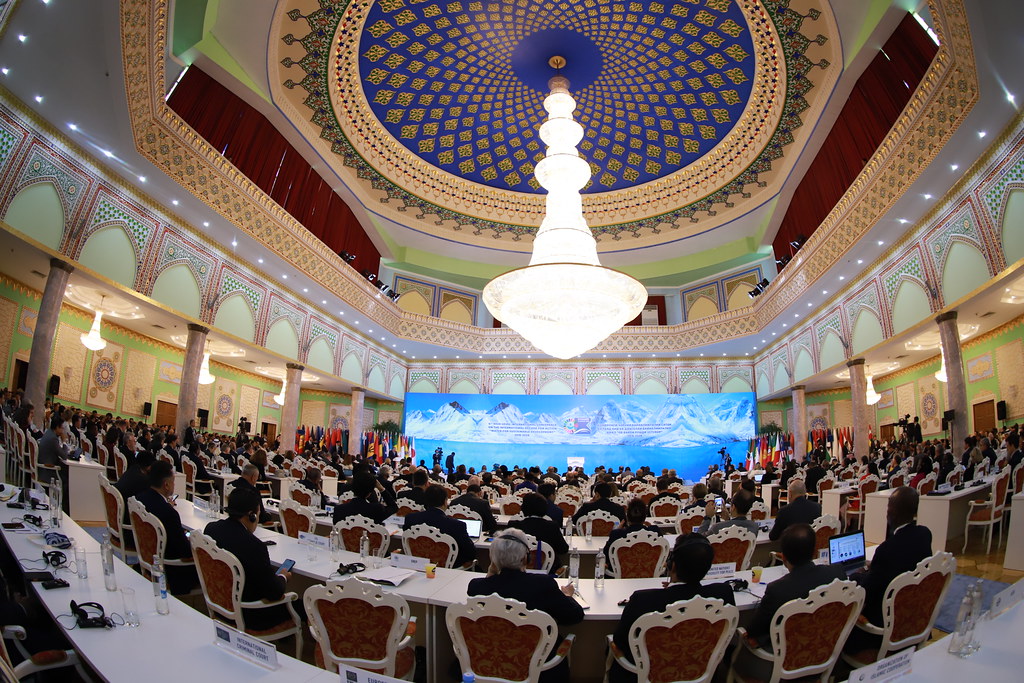
26 мая в городе Душанбе начала свою работу 4-я Международная конференция высокого уровня по Международному десятилетию действий «Вода для устойчивого развития, 2018–2028 годы», в открытии которой принял участие и выступил Президент Республики Таджикистан, Лидер нации, уважаемый Эмомали Рахмон.
Конференция началась с церемонии совместного фотографирования гостей и руководителей делегаций зарубежных государств.
Президент страны уважаемый Эмомали Рахмон в своём выступлении вначале приветствовал участников форума высокого уровня на таджикской земле и пожелал конференции успешной и плодотворной работы.
Глава государства уважаемый Эмомали Рахмон назвал проведение данной конференции важным шагом в решении одной из наиболее уязвимых проблем современности – расширения доступа населения планеты к воде.
Было отмечено, что за последние годы Таджикистан предпринял ряд практических мер с целью выдвижения вопросов воды в центр международной повестки устойчивого развития. В этом направлении наша страна последовательно продвигала свои инициативы в водной сфере, которые неизменно находили поддержку Генеральной Ассамблеи Организации Объединённых Наций.
По словам Лидера нации, уважаемого Эмомали Рахмона, усилия Таджикистана направлены на повышение значения и ценности воды – бесценного источника жизни, при этом страна выступает за сбалансированный и всеобъемлющий подход в данном направлении. Провозглашение Международного десятилетия действий «Вода для устойчивого развития» является ярким свидетельством наших совместных усилий в этом направлении.
Президент страны уважаемый Эмомали Рахмон подчеркнул, что в рамках Душанбинского водного процесса Таджикистан продолжает усилия по созданию инклюзивной и прозрачной международной платформы.
В ходе выступления Президент Республики Таджикистан обратил внимание участников конференции на проблемы, препятствующие достижению шестой Цели устойчивого развития.
Было подчёркнуто, что в настоящее время миллиарды людей не имеют доступа к безопасной питьевой воде и санитарным услугам, а около 4-х миллиардов человек ежегодно сталкиваются как минимум с месячным периодом острого дефицита воды. Эти тенденции свидетельствуют о том, что эти проблемы в будущем будут значительно усиливаться.
Согласно новым экспертным оценкам, мировой спрос на питьевую воду к 2050 году увеличится как минимум на 25 процентов, что, в свою очередь, потребует производства на 50 процентов больше продовольствия для растущего населения.
Вместе с тем, как подчеркнул Глава государства, по прогнозам, почти половина городского населения мира может столкнуться с нехваткой воды. Новые и быстро развивающиеся отрасли, включая «зелёную» промышленность, градостроительство, производство продовольствия и цифровую инфраструктуру, будут ещё больше увеличивать спрос на водные ресурсы.
В этой связи было отмечено, что данная тенденция делает ещё более актуальным переход к водосберегающим технологиям, эффективному управлению ресурсами и лучшей координации политики в сферах воды, энергетики и продовольствия.
Президент страны напомнил об инициативах Таджикистана на национальном и региональном уровнях по решению существующих проблем и подчеркнул, что в стране приняты Национальная водная стратегия до 2040 года и Государственная программа обеспечения питьевой водой и санитарии на 2025-2029 годы, направленные на ускорение достижения шестой Цели устойчивого развития.
Таджикистан намерен к 2030 году обеспечить полное внедрение интегрированного управления водными ресурсами на национальном и окружном уровнях, создав современную, научно обоснованную, устойчивую и эффективную систему. Также Таджикистан намерен более чем в 40 раз расширить применение водосберегающих технологий и превратить эффективное использование воды в один из ключевых инструментов адаптации к изменению климата.
В продолжение выступления Президент страны, уважаемый Эмомали Рахман подчеркнул, что Таджикистан придаёт особое значение развитию трансграничного сотрудничества в водной сфере и постоянно прилагает усилия для дальнейшего укрепления доверия, партнёрства и конструктивного диалога в Центральной Азии по вопросам решения важных водных проблем.
В этом контексте Таджикистан рассматривает Международный фонд спасения Арала как важную региональную платформу для обсуждения и решения комплекса водных проблем в интересах устойчивого развития и считает необходимым создание в его рамках Межгосударственной энергетической комиссии Центральной Азии.
Глава государства уважаемый Эмомали Рахмон отметил, что уже сегодня необходимо задуматься о глобальной водной повестке после 2030 года, а наши дальнейшие шаги в этом направлении должны опираться на достижения Десятилетия, Водной повестки действий и опыт Душанбинского водного процесса, а также быть направлены на решение всё более актуальных водных проблем.
Глава нашего государства напомнил, что в последние годы Международное десятилетие действий «Вода для устойчивого развития» и Водная повестка действий создали прочную основу для решения водных проблем. Однако, несмотря на это, в интересах настоящего и будущего планеты мы по-прежнему сталкиваемся с серьёзными препятствиями на пути их преодоления.
Было отмечено, что сегодня назрела необходимость перехода к новому этапу глобального сотрудничества в водной сфере. С этой целью было предложено создать «Душанбинскую рамочную программу по водным вопросам». Данная рамочная программа может укрепить текущие процессы в водной сфере и создать благоприятную основу для координации и объединения совместных усилий по достижению практических результатов.
В завершение выступления Глава государства уважаемый Эмомали Рахмон объявил, что в целях продвижения и укрепления водной дипломатии, а также объединения усилий мирового сообщества ради устойчивого и безопасного будущего учреждена Международная премия Президента Республики Таджикистан в области водных ресурсов.
Как было подчёркнуто, данная премия направлена на признание выдающегося вклада в развитие международного сотрудничества, научных исследований, устойчивой водной политики и продвижение эффективных решений глобальных водных проблем.
Продолжительные рукоплескания присутствующих показали, что эта новость встретила приветствие участников форума.
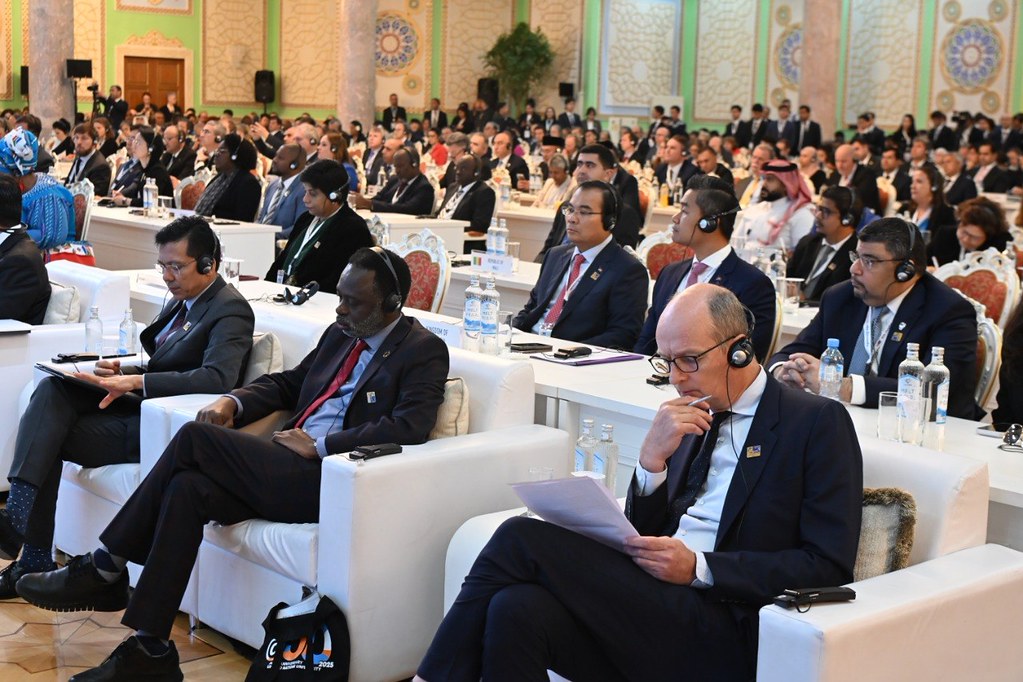
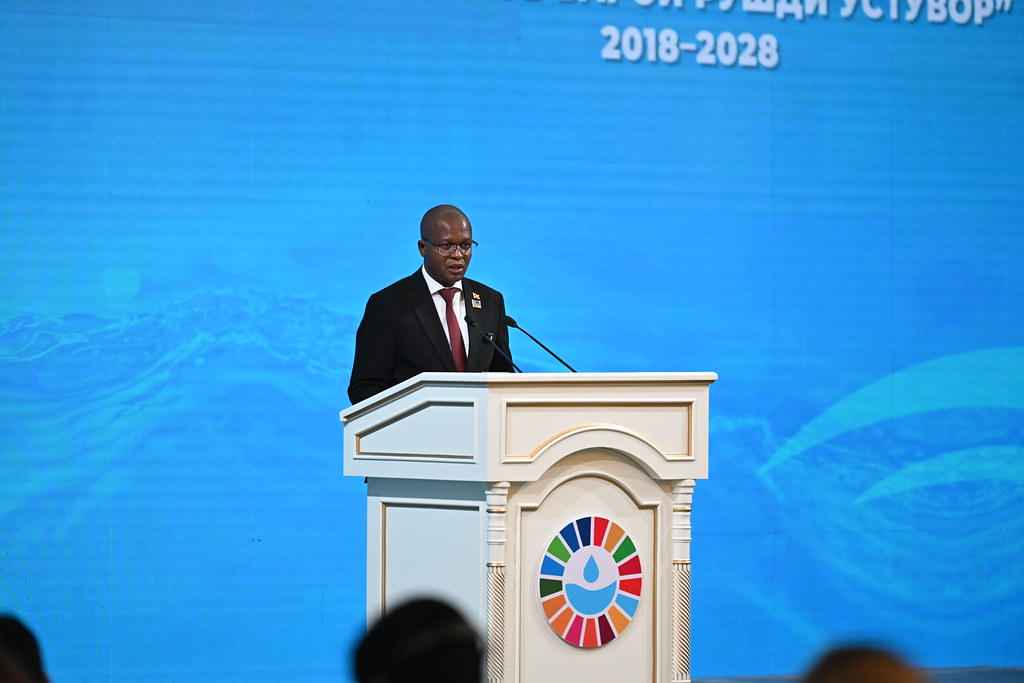
После выступления Лидера нации уважаемого Эмомали Рахмона с речами выступили руководители правительственных делегаций различных стран, представители международных и региональных организаций, а также эксперты высокого уровня, в том числе Премьер-министр Республики Бурунди Нестор Нтахонтюэ, председатель Кабинета министров Кыргызской Республики, Министр сельского хозяйства и перерабатывающей промышленности Эрлист Акунбеков, заместитель председателя Кабинета министров Туркменистана Тангрыгулы Атахаллиев, специальный посланник Организации Объединённых Наций госпожа Ретно Марсуди, заместитель Генерального секретаря ООН Ли Цзюньхуа, председатель Экономического и Социального Совета ООН Лок Бахадур Тапа, вице-президент Европейского банка реконструкции и развития Марк Боуман, заместитель Генерального секретаря ООН и исполнительный секретарь Экономической и социальной комиссии ООН для Азии и Тихого океана (ESCAP) Армида Салсиах Алисджабана, а также ректор Университета Организации Объединённых Наций, заместитель Генерального секретаря ООН профессор Тшилидзи Марвала.
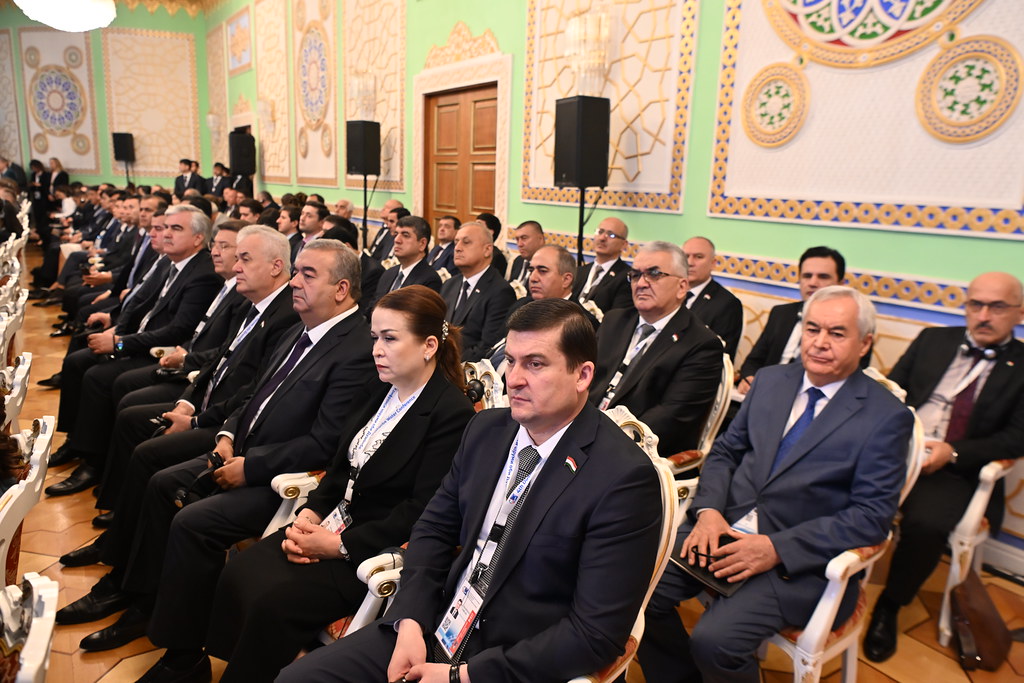
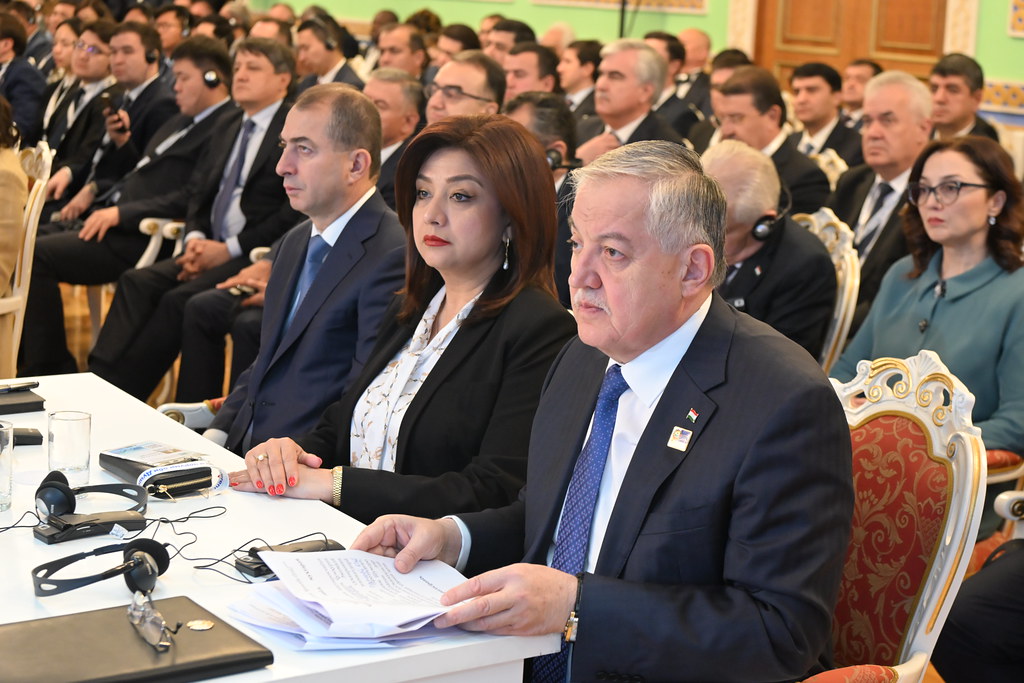
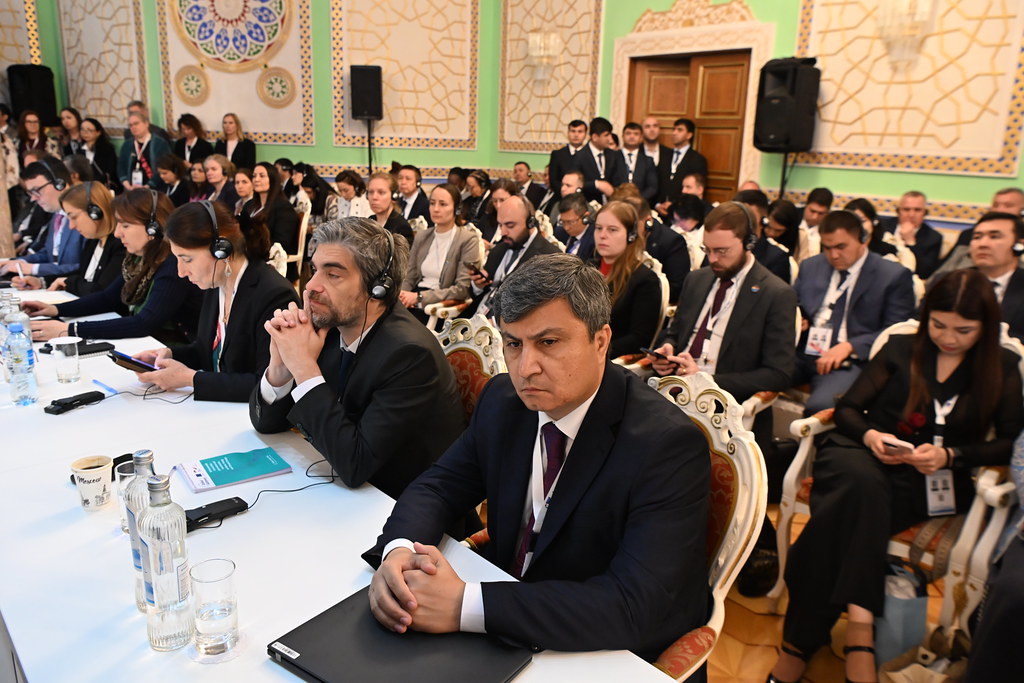
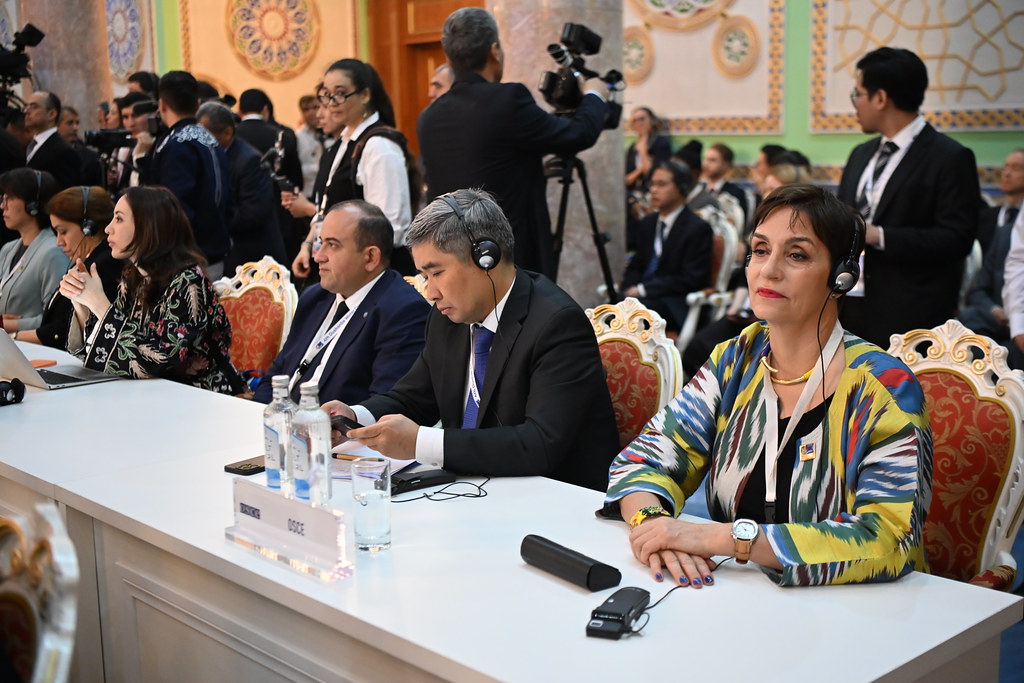
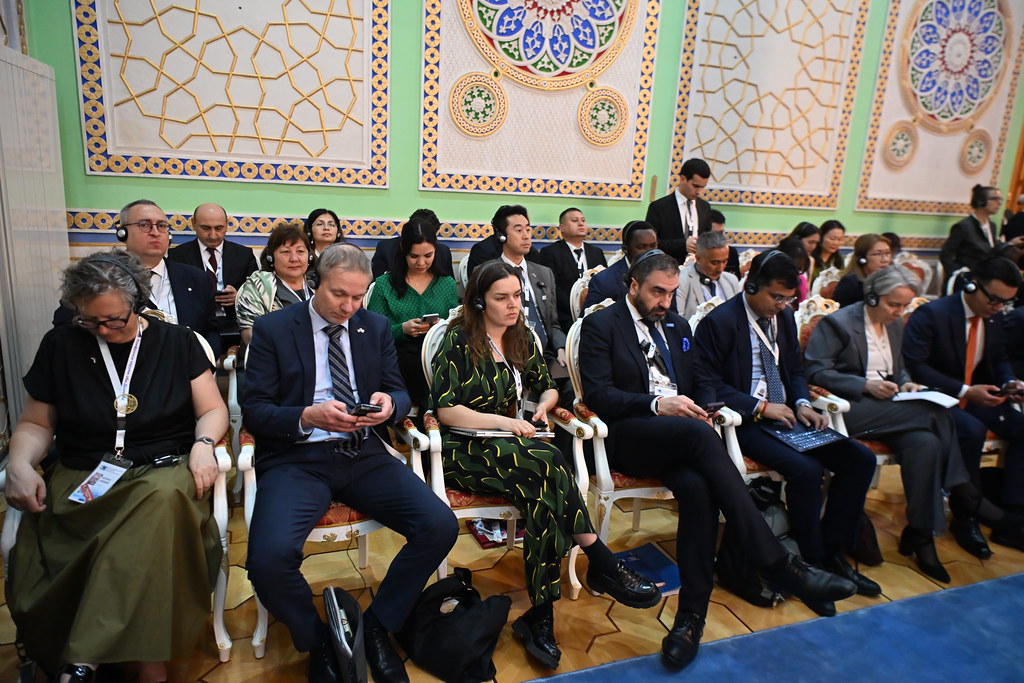
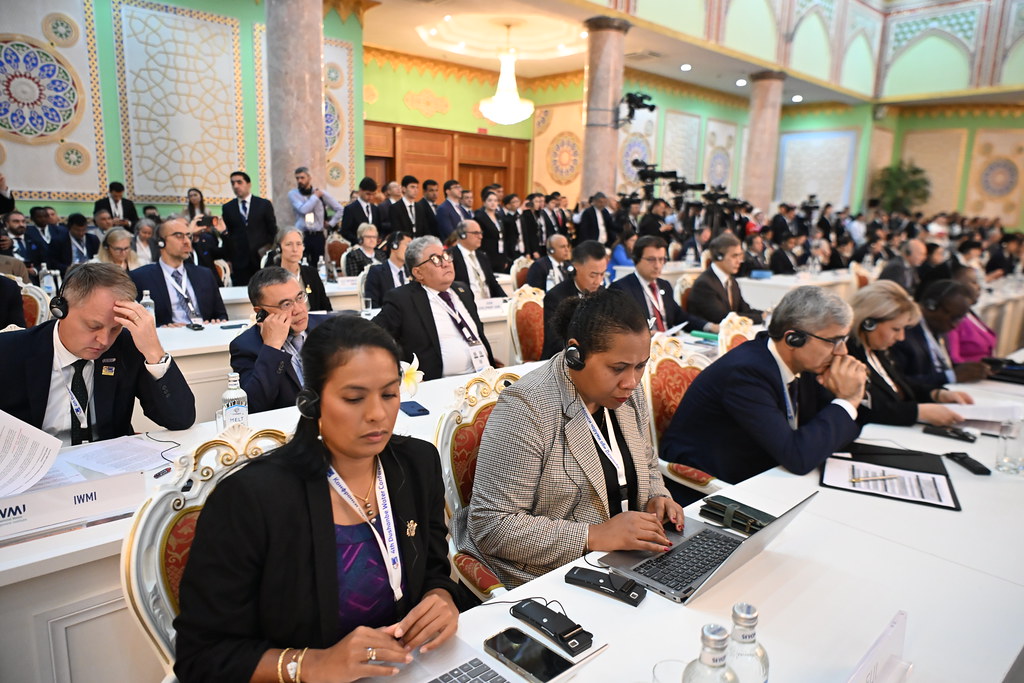
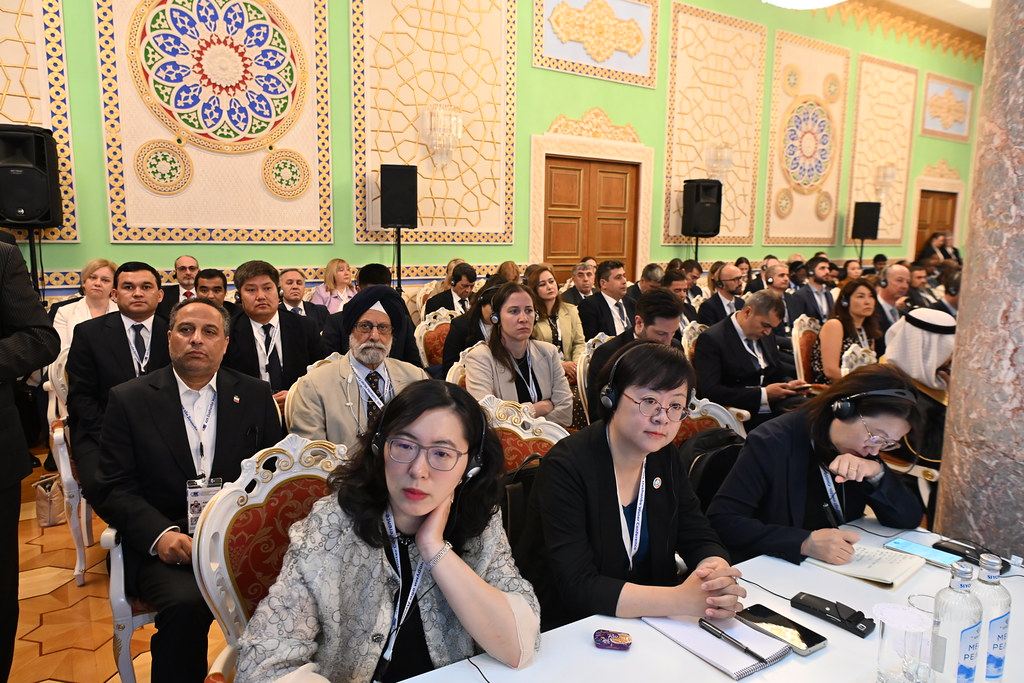
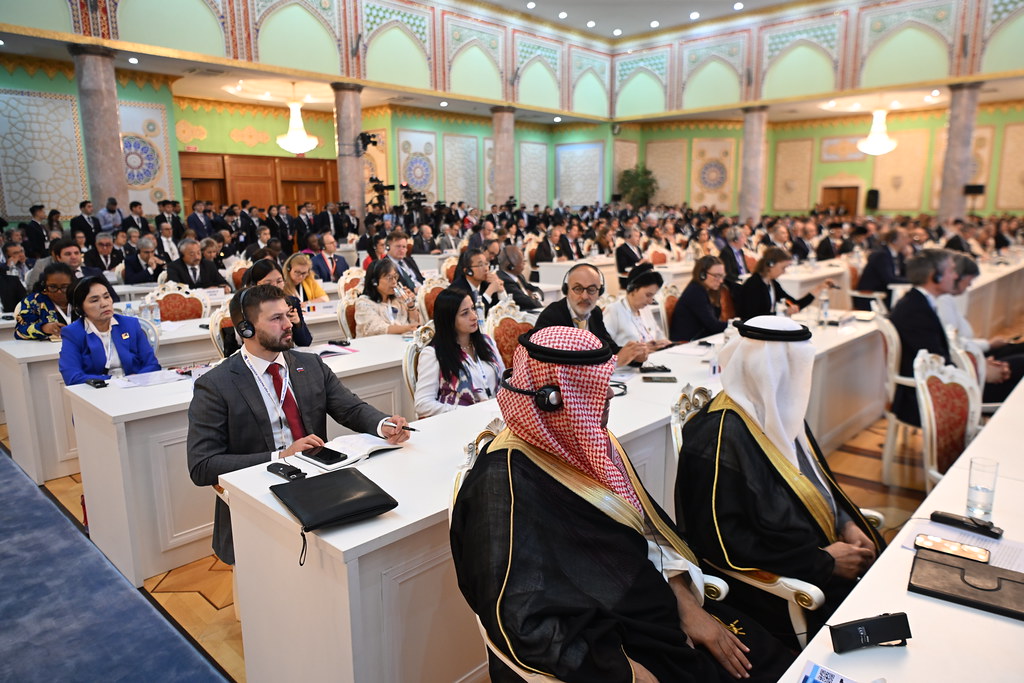
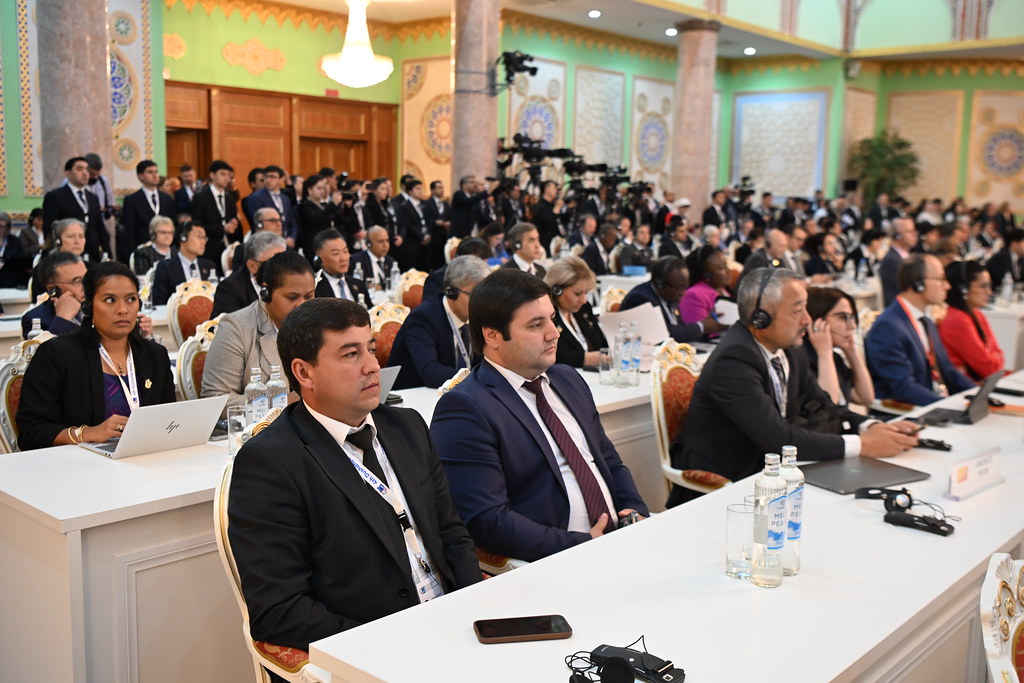
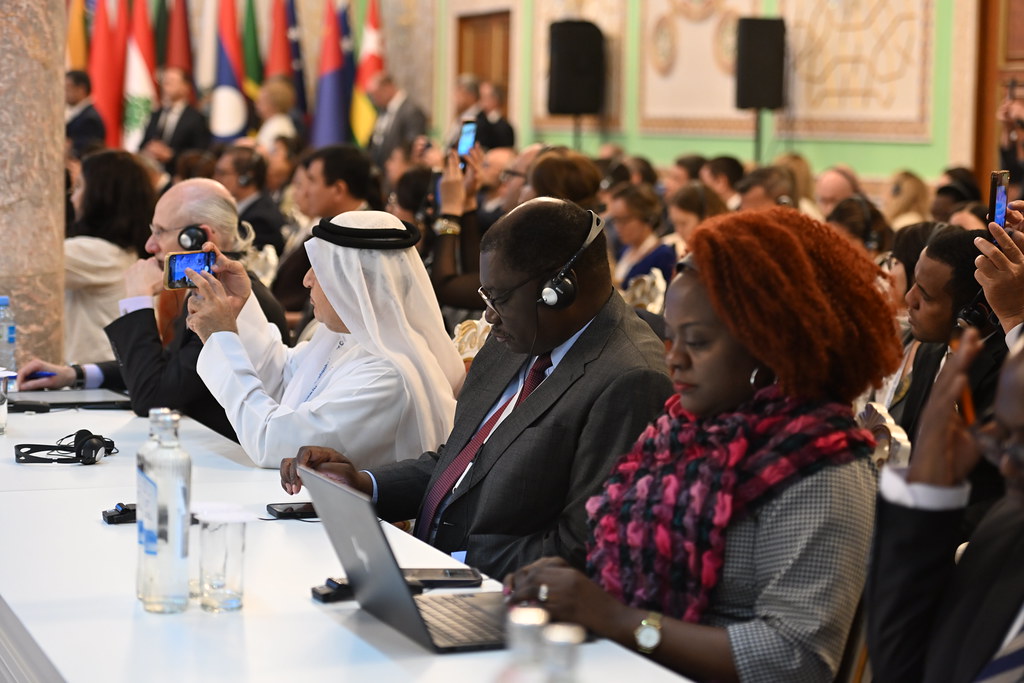
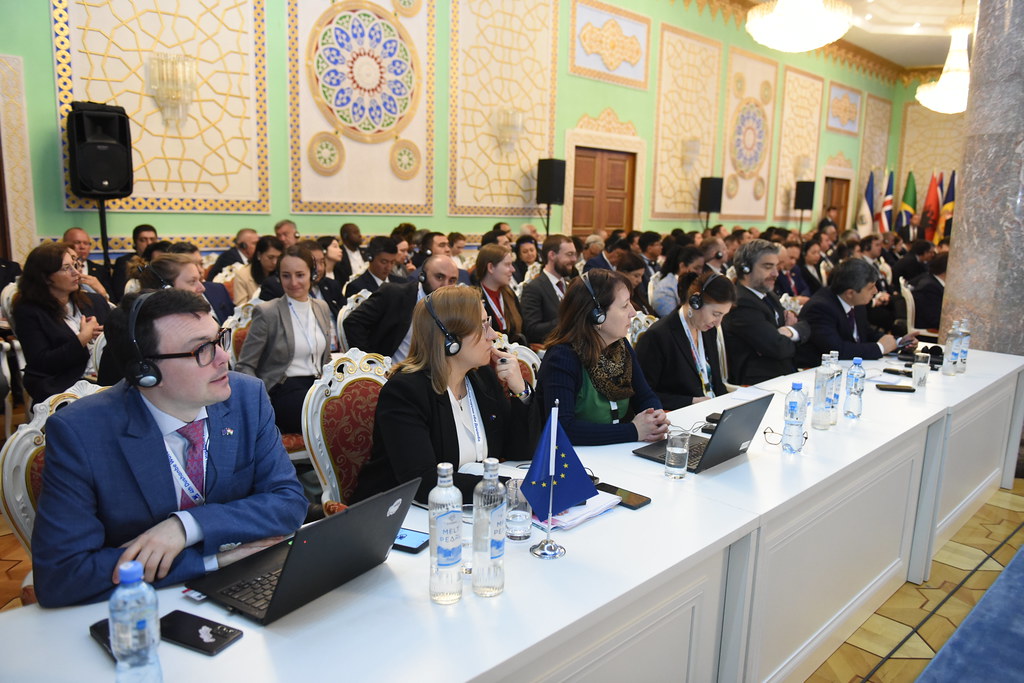
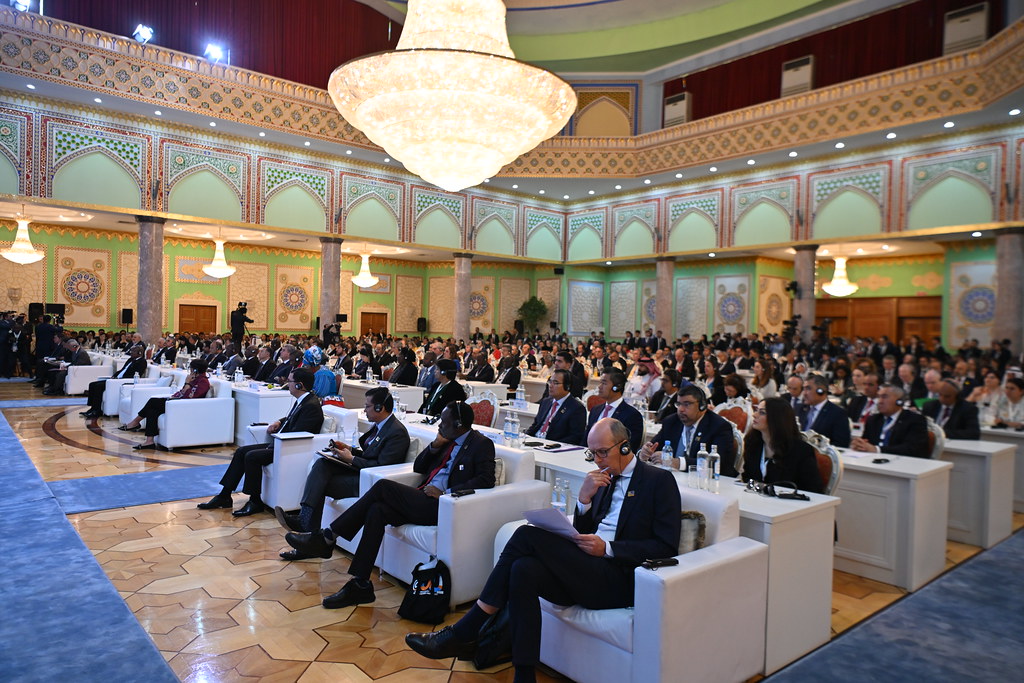
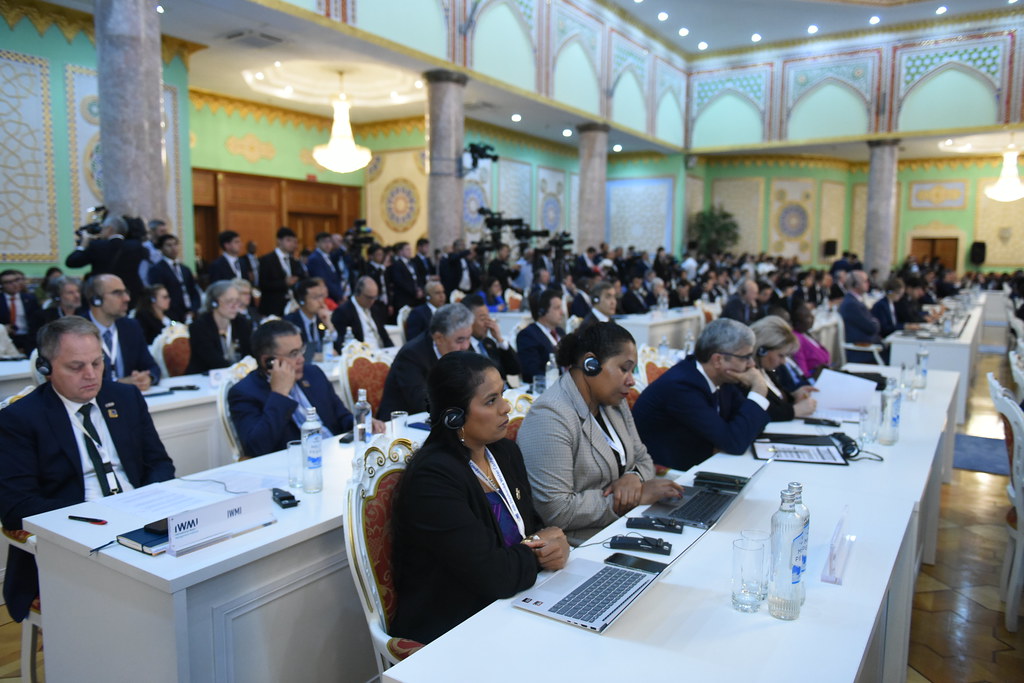
Следует отметить, что в комплексе «Кохи Сомон» – городской резиденции Правительства Республики Таджикистан – собрались 2500 участников из 110 стран, представители высокого уровня 75 международных и региональных организаций, а также эксперты из 170 научно-исследовательских учреждений мира. Кроме того, работу форума освещают более 300 журналистов отечественных и зарубежных средств массовой информации.
 1 351
1 351